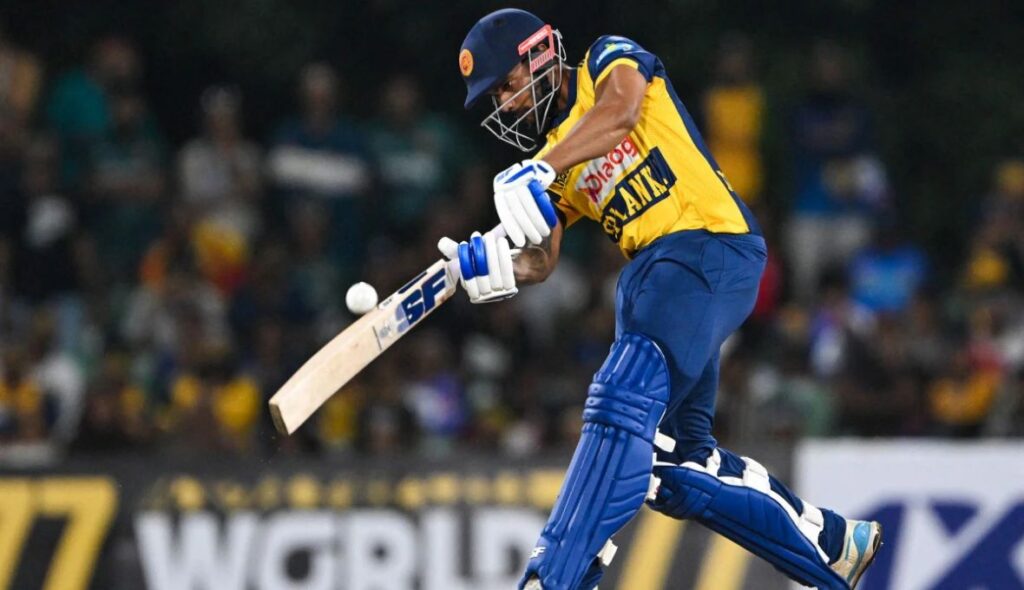

Sri Lanka have made a bold selection call ahead of the global showpiece, with the selectors on Monday dropping Test captain Dhananjaya de Silva from their 15-man squad for the T20 World Cup, which will be led by Dasun Shanaka. The decision signals a clear shift in Sri Lanka’s white-ball strategy as they prioritise specialist T20 skills and recent form over seniority.
Big Call Ahead of the T20 World Cup
The omission of Dhananjaya de Silva—a key figure in Sri Lanka’s Test setup—has surprised many, especially given his leadership role in red-ball cricket. However, the move underlines the selectors’ intent to streamline the squad for the shortest format, focusing on players who best fit the high-tempo demands of T20 cricket.
Sri Lanka Cricket sources indicated that the selection was based on format-specific performance, balance, and match-ups, rather than reputation.
Shanaka to Lead a Specialist T20 Unit
The squad will continue under the leadership of Dasun Shanaka, who has captained Sri Lanka through multiple T20 campaigns. Shanaka’s role as a power-hitting all-rounder and calm leader remains central to the team’s plans as they target consistency in crunch moments.
What Shanaka Brings as Captain
- Experience in high-pressure T20 matches
- Tactical clarity with bowling rotations
- Late-overs batting firepower
Why Dhananjaya de Silva Misses Out
While de Silva has been a mainstay in Tests and ODIs, his recent T20 returns and role clarity appear to have worked against him.
Likely Factors Behind the Decision
- Preference for specialist T20 batters/all-rounders
- Squad balance and flexibility
- Recent form and role fit in T20 conditions
Selectors believe the current combination offers greater explosiveness and versatility, particularly in middle-order batting and bowling options.
A Clear Message: Formats Matter
Sri Lanka’s decision reinforces a growing trend in international cricket—format-specific selections. Being a leader or star in Tests does not guarantee a place in a T20 World Cup squad, where strike rates, match-ups, and adaptability carry greater weight.
This approach mirrors strategies adopted by several top teams, aiming to maximise impact in the shortest format.
Reaction From Cricket Circles
The announcement has sparked debate among fans and pundits:
- Supporters of the decision say it reflects modern T20 thinking
- Critics argue experience could have been valuable in knockout games
- Analysts note Sri Lanka’s desire to back a settled, specialist core
Despite differing opinions, there is consensus that Sri Lanka are committing fully to a defined T20 identity.
What This Means for Sri Lanka’s Campaign
Without de Silva, Sri Lanka will rely on:
- Middle-order hitters to maintain tempo
- All-rounders to provide balance
- Bowlers capable of defending totals at the death
The squad composition suggests an emphasis on aggression and flexibility, especially in conditions expected to favour attacking cricket.
What’s Next for Dhananjaya de Silva?
For de Silva, the omission is a setback but not a full stop. He remains a central figure in Sri Lanka’s Test ambitions and could still feature in white-ball plans going forward, depending on form and team needs.
His focus is likely to return to:
- Red-ball leadership duties
- Regaining T20 momentum in domestic or bilateral cricket
- Staying prepared for future opportunities
Final Word
Sri Lanka’s decision to drop Test captain Dhananjaya de Silva from the T20 World Cup squad is a statement of intent—this is a team built for T20 demands, led by Dasun Shanaka, and shaped around specialists for the format.
Whether the gamble pays off will be judged on results, but the message is clear: past roles won’t outweigh present-day T20 requirements as Sri Lanka chase success on the world stage.