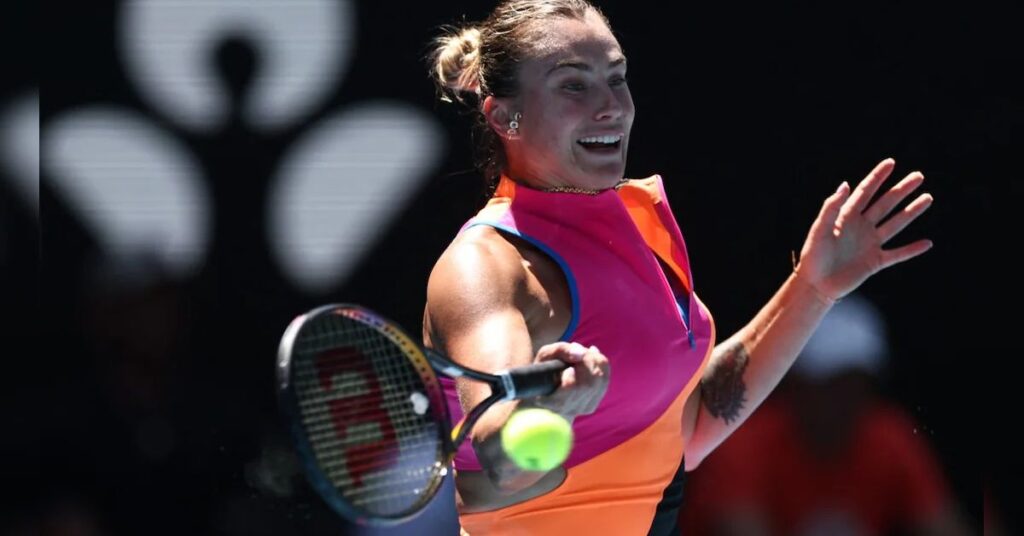

The Australian Open once again tested the limits of physical endurance and mental resilience as Aryna Sabalenka and Alexander Zverev advanced to the semi-finals under intense Melbourne heat. With temperatures soaring and conditions pushing players to their extremes, the victories of Sabalenka and Zverev stood out as remarkable demonstrations of strength, focus, and championship mentality.
Extreme heat has long been a defining feature of the Australian Open, often turning matches into survival battles. This time, it was no different. As the mercury climbed, Sabalenka and Zverev showed why they belong among the elite, navigating physically demanding encounters to book their places in the last four of the year’s first Grand Slam.
This blog provides a detailed breakdown of Sabalenka and Zverev’s semi-final qualification, analysing match performances, heat-related challenges, tactical decisions, and what these victories mean for the remainder of the Australian Open.
Australian Open and the Challenge of Extreme Heat
The Australian Open is famously referred to as the “Happy Slam,” but it is equally notorious for its brutal weather conditions. The combination of:
- High temperatures
- Humidity
- Long rallies
creates a unique test that goes beyond skill alone.
Heat as a Deciding Factor
In many matches, heat management becomes as important as shot selection. Players must:
- Hydrate efficiently
- Conserve energy
- Maintain mental clarity
Sabalenka and Zverev excelled in all these areas, giving them a crucial edge in their quarterfinal matches.
Aryna Sabalenka Powers Through the Heat
A Statement Performance Under Pressure
Aryna Sabalenka entered her quarterfinal as one of the favourites, but the intense heat added an extra layer of difficulty. Rather than allowing conditions to disrupt her rhythm, Sabalenka embraced the challenge, delivering a performance built on controlled aggression and physical dominance.
From the opening games, it was evident that Sabalenka had prepared meticulously for the conditions.
Serving as a Key Weapon
One of Sabalenka’s biggest strengths is her serve, and in the heat, it became even more valuable. She relied heavily on:
- High first-serve percentages
- Short service games
- Free points under pressure
By finishing points quickly on serve, Sabalenka conserved energy while keeping her opponent constantly under stress.
Controlled Aggression in Long Rallies
While Sabalenka is known for her power, her success in extreme heat was also down to smarter shot selection. Instead of going for outright winners at every opportunity, she:
- Built points patiently
- Waited for the right openings
- Reduced unforced errors
This maturity in her game allowed her to dominate without burning out physically.
Physical Conditioning Pays Off
Sabalenka’s fitness has improved significantly over recent seasons, and it showed in Melbourne. Even as temperatures rose, she:
- Maintained intensity
- Covered the court efficiently
- Showed no visible drop in energy
Her conditioning allowed her to sustain pressure throughout the match, a key factor in securing her semi-final spot.
Sabalenka’s Mental Strength in Harsh Conditions
Beyond physicality, Sabalenka’s mental toughness stood out. Extreme heat often leads to lapses in concentration, but she remained:
- Calm between points
- Focused on routines
- Unfazed by external conditions
This mental discipline has been a defining feature of her Grand Slam success.
Sabalenka Reaches Australian Open Semi-Finals
With the victory, Aryna Sabalenka advanced to the Australian Open semi-finals, reinforcing her status as a leading contender for the title. Her performance in extreme heat highlighted:
- Championship-level conditioning
- Tactical growth
- Confidence in pressure moments
As the tournament reaches its business end, Sabalenka looks increasingly comfortable with the demands of Grand Slam tennis.
Alexander Zverev Battles Heat and Resistance
A Test of Endurance for Zverev
On the men’s side, Alexander Zverev faced a gruelling battle that tested both his physical stamina and mental resilience. Playing in oppressive heat, Zverev was forced into long rallies and extended baseline exchanges that pushed him to his limits.
Despite the conditions, Zverev remained composed and focused, gradually asserting control over the match.
Zverev’s Serve as a Lifeline
Much like Sabalenka, Zverev leaned heavily on his serve in the heat. His powerful and accurate delivery helped him:
- Win quick points
- Avoid prolonged service games
- Maintain scoreboard pressure
In extreme conditions, the ability to shorten points is invaluable, and Zverev executed this strategy effectively.
Baseline Discipline and Patience
Zverev’s victory was not built on reckless aggression. Instead, he showcased:
- Patience in extended rallies
- Strong defensive positioning
- Smart shot placement
By resisting the urge to overhit, Zverev conserved energy and forced his opponent to take risks.
Mental Toughness Under Physical Stress
One of the most impressive aspects of Zverev’s performance was his mental clarity despite physical fatigue. As the match wore on, he:
- Stayed committed to his game plan
- Managed momentum swings calmly
- Delivered under pressure points
This composure proved decisive in the closing stages of the match.
Zverev Advances to Australian Open Semi-Finals
With his hard-fought win, Alexander Zverev booked his place in the Australian Open semi-finals, underlining his credentials as a serious title contender. His ability to handle:
- Extreme heat
- Long rallies
- High-pressure moments
sets him apart as one of the most complete players in the men’s draw.
Heat Management: A Tactical Battle
How Players Adapt to Extreme Conditions
Both Sabalenka and Zverev demonstrated intelligent heat management strategies, including:
- Shortening points when possible
- Taking extra time between points
- Adjusting rally intensity
Such adaptations are often the difference between winning and fading in Melbourne’s harsh climate.
Role of Fitness and Preparation
Their success also highlighted the importance of:
- Pre-tournament conditioning
- Acclimatisation to heat
- Recovery protocols
Modern Grand Slam tennis demands year-round physical preparation, especially for events like the Australian Open.
Comparison: Sabalenka and Zverev’s Approaches
While both players thrived in the heat, their approaches differed slightly.
Sabalenka’s Strengths
- Explosive power
- Short, decisive points
- Aggressive mindset
Zverev’s Strengths
- Tactical patience
- Defensive solidity
- Mental composure
Despite different styles, both adapted effectively to the conditions.
Impact on the Australian Open Narrative
The advancement of Sabalenka and Zverev adds intrigue to the semi-final stage. Their performances under extreme heat suggest:
- Superior physical readiness
- Mental resilience
- Championship pedigree
As conditions continue to challenge players, these attributes will be crucial in determining the eventual champions.
What This Means for the Semi-Finals
Expectations for Sabalenka
Heading into the semi-finals, Sabalenka will aim to:
- Maintain her aggressive efficiency
- Continue managing energy levels
- Handle increased expectations
Her form suggests she is well-equipped for the challenge ahead.
Expectations for Zverev
For Zverev, the semi-finals present an opportunity to:
- Capitalise on his physical conditioning
- Build on mental momentum
- Push for a maiden Australian Open title
His ability to thrive in difficult conditions could prove decisive.
Extreme Heat and Player Welfare
The matches also reignited discussions around:
- Player safety
- Scheduling during extreme heat
- Use of heat policies
While organisers implement measures to protect players, performances like those of Sabalenka and Zverev underline the exceptional demands placed on elite athletes.
Fan and Global Reaction
Fans and analysts praised both players for their resilience. Social media buzz highlighted:
- Sabalenka’s dominance in the heat
- Zverev’s endurance and composure
- The dramatic impact of Melbourne’s conditions
The matches reinforced the Australian Open’s reputation as one of the toughest Grand Slams to win.
Lessons From the Quarterfinals
The victories of Sabalenka and Zverev offer key takeaways:
- Fitness is non-negotiable at Grand Slams
- Mental discipline is crucial in extreme conditions
- Adaptability separates champions from contenders
These lessons resonate across both tours.
Australian Open: Where Champions Are Forged
The Australian Open has long been a proving ground for champions, and performances under intense heat often define careers. Sabalenka and Zverev’s semi-final qualification fits perfectly into this narrative, showcasing:
- Physical excellence
- Tactical intelligence
- Mental resilience
Final Thoughts
Aryna Sabalenka and Alexander Zverev advancing to the Australian Open semi-finals in intense heat is a testament to their elite conditioning, mental toughness, and strategic clarity. In conditions that test even the strongest athletes, both players rose to the occasion, delivering performances worthy of the Grand Slam stage.
As the tournament moves toward its climax, their ability to thrive under pressure and in extreme weather makes them formidable contenders. Whether they go on to lift the trophy or not, their quarterfinal victories will be remembered as defining moments of this Australian Open—proof that true champions adapt, endure, and prevail.